
Research & Grants › Design Grants › Rentify Chinatown
Rentify Chinatown
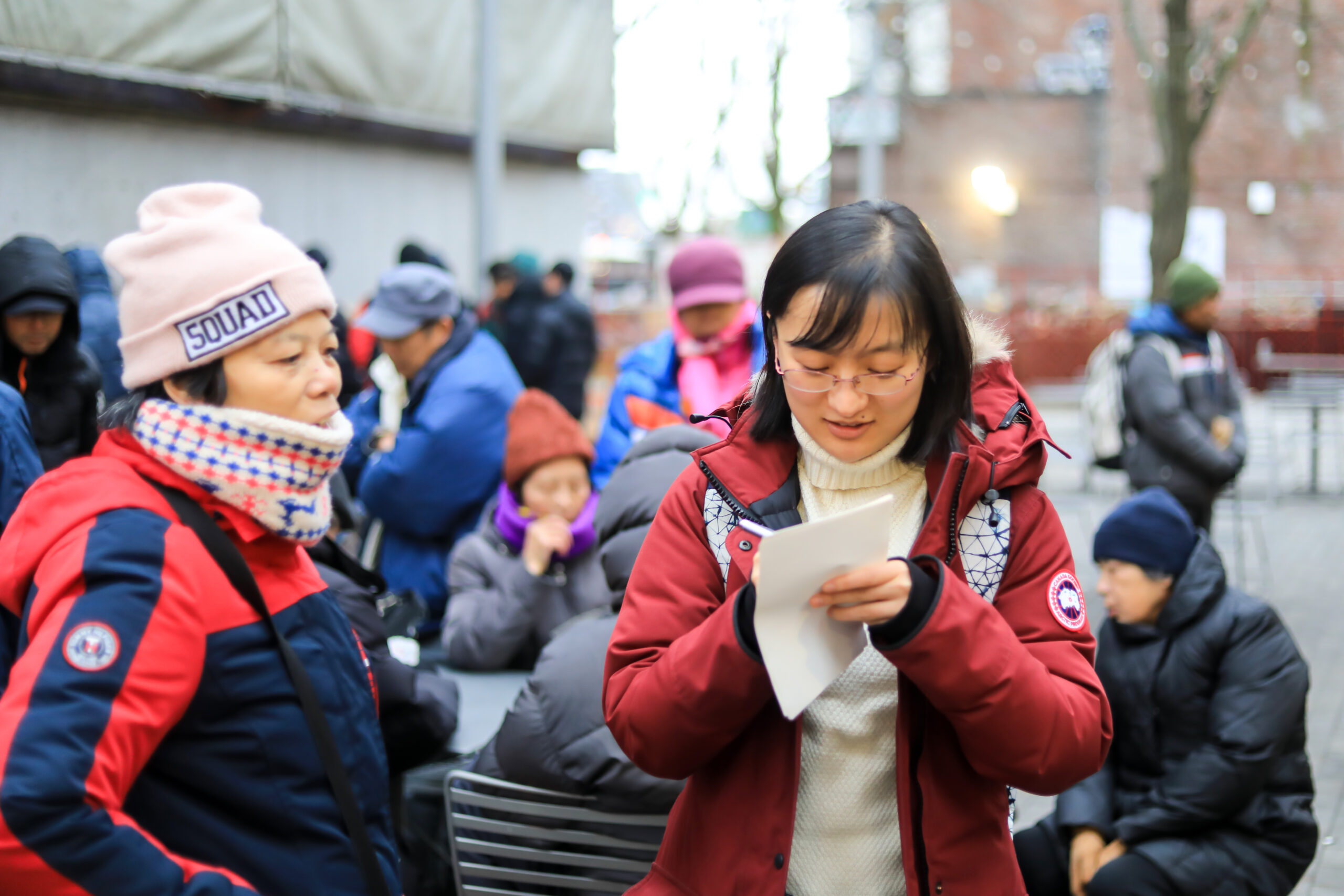
Community outreach | Rentify Chinatown
Community
Tianyu Su, Weiyi Cao, Zhuangyuan Fan, Ruichen Ni, Helena Rong, Juncheng Yang
2019 Design Grants
Understanding Boston’s Chinatown is at risk of gentrification and displacement, which exacerbates the loss of identity and memory, Rentify Chinatown aims to leverage the joint power of data analytics, digital tools, and in-depth interviews to document and explain the place-based identity of Chinatown.
Boston’s Chinatown is both home and the cultural and service hub for local communities as well as Chinese and Chinese American communities in outlying towns. The Rentify Chinatown team has created a shared database of quantitative and qualitative data for Boston’s Chinatown community organizations. At the same time, the team offers insights about local identity challenges and opportunities in the neighborhood.
In order to achieve these goals, with the help of community organizations including Chinatown Community Land Trust and Chinatown Progressive Association, Rentify Chinatown first collected historical information such as maps, numbers, and stories about the development and evolution of Chinatown. The team leveraged the data collected to create the Chinatown Historical Trail map, which featured significant places carrying the neighborhood’s identity. Then, to better understand how people visited and utilized Chinatown places, the team collaborated with their project partners and identified the patterns of people’s visits to Chinatown and how this valued Chinatown as a service and cultural hub. The team also developed WOW Chinatown, a crowdsourcing mapping tool embedded in WeChat—the messaging application widely used among Chinatown residents. In fall 2020, the Rentify Chinatown research team, along with community groups in Chinatown, will introduce this tool to residents and their friends and families, encouraging individuals to identify, post, and share their memories and sentiments about specific locations in Chinatown.
Combining this historical information, quantitative data, and personal perspectives, the team shared the layered results that document the identity of Boston’s Chinatown as an essential cultural and service hub, featured by a series of critical destinations. To preserve this significant identity, the team will document and exhibit those vanished locations online while advocating to protect the still existing places and physical structures.
Related
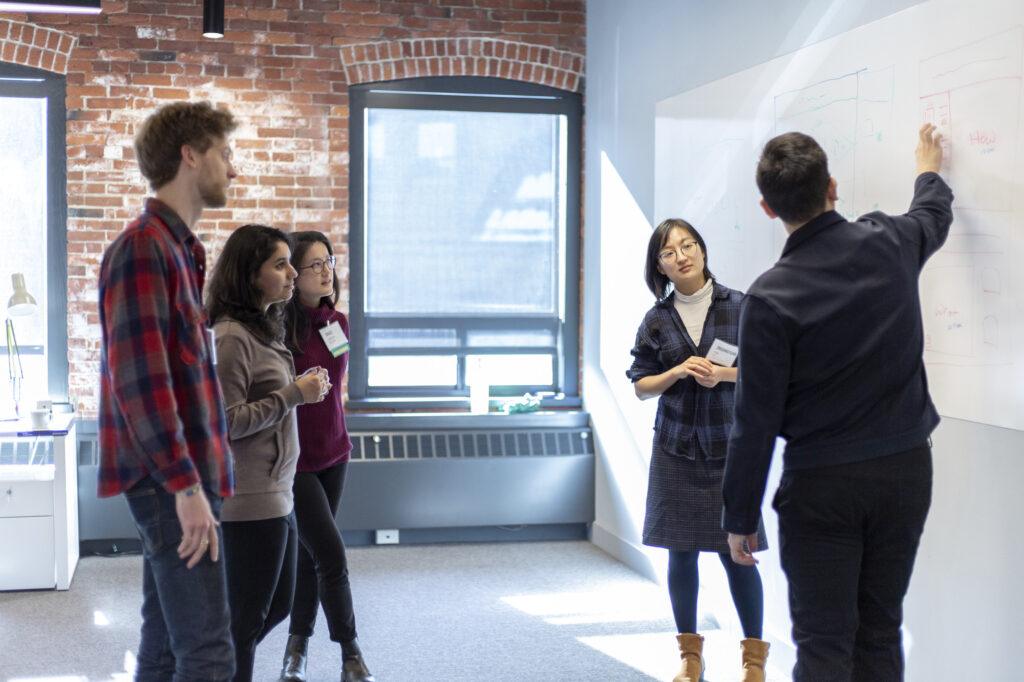 Rentify Chinatown: Place-Based Identity in Boston ChinatownUnderstanding Boston Chinatown is at risk of gentrification and displacement, which exacerbates the loss of identity and memory, Rentify Chinatown aims to leverage the joint power of digital tools, data analytics, and in-depth interviews to document and explain place-based identity for local communities in Boston Chinatown. The Rentify Chinatown research team aims to create a […]
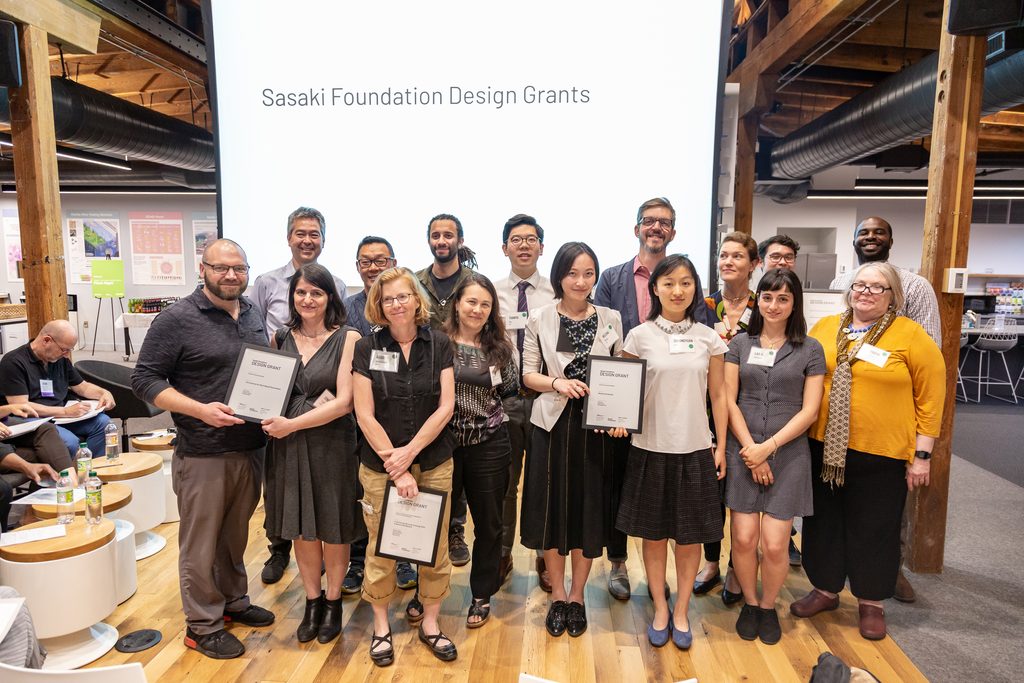 2019 Design Grants winners announcedThe Sasaki Foundation announced today the winning teams for its 2019 Sasaki Foundation Design Grants. The Design Grants are an annual competition to showcase projects that support and drive interdisciplinary innovation and empower our local communities. The Sasaki Foundation also selected two additional finalists to receive Community Grants, to participate alongside the research cohort in […]
 2019 Design Grants Pitch Night